The Best Time to Visit Monument Valley in 2026 (Month by Month)
Spring and fall give you mild days and the low, raking light that makes the buttes glow. Here is how each month really feels on the ground, and what to plan around.
 Written with Daniel Begay, Monument Valley tour guide & Navajo cultural specialist
Short answer
Spring (April to May) and fall (September to October) are the best times to visit, with mild temperatures and good light. Summer is very hot, and winter is cold with short park hours, though snow dusting the red rock is spectacular if you catch it.
Most mornings I am at the gate before the light clears the East Mitten, and the temperature tells you everything about the month. In April the air is cool enough for a jacket that you shed by ten. By July the steering wheel is too hot to hold by nine. The valley is beautiful in every season, but the season decides how you plan the day, what you wear, and whether the dirt road cooperates.
Booking choice: Visit the Totem Pole, Sun’s Eye and John Ford Point in the day’s changing light. Explore Sunrise or sunset photography tour
At a glance: 3 hours, English guide, water and native music. Select sunrise OR sunset for your month on Viator. Park entry extra. Uneven surfaces; unsuitable for back conditions. Children need two paying adults.
When is the best time of year to visit Monument Valley?
Spring (April and May) and fall (September and October) are the sweet spots: mild daytime temperatures, comfortable light, and manageable crowds. Summer brings intense heat and afternoon monsoon storms, while winter is cold with much shorter park hours. Each season works, but the shoulder months ask the least of you.
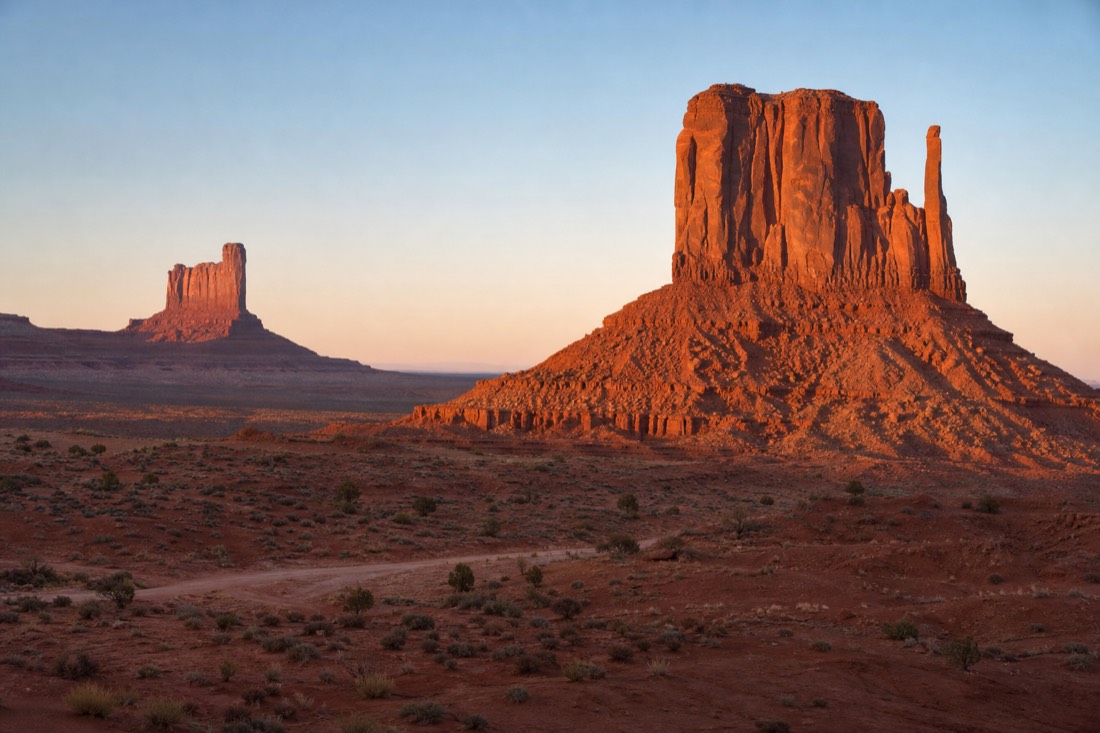
The valley sits high on the Colorado Plateau, so the desert here is not the flat furnace people expect. Nights cool off hard, mornings start crisp, and the difference between a March visit and a July visit is enormous. If your dates are flexible, aim for the weeks on either side of summer. You get long-enough days, softer heat, and the same low-angle light that filmmakers chased across the encyclopedic red-rock landscape for decades.
Here is the year at a glance. Temperature is given as a feel rather than a fixed number, because a spring afternoon can swing thirty degrees from dawn to dusk.
| Month | How it feels | Crowds | Light & conditions |
|---|---|---|---|
| January | Cold, often below freezing at dawn | Quiet | Short hours, low sun, chance of snow on the buttes |
| February | Cold, thawing by midday | Quiet | Clear crisp air, dramatic long shadows |
| March | Cool, breezy | Building | Wind and dust common, good light |
| April | Mild, jacket mornings | Busy | Excellent conditions, long shadows |
| May | Warm, pleasant | Busy | Long days, reliable clear skies |
| June | Hot, dry | Busy | Very bright midday, best at dawn and dusk |
| July | Very hot | Peak | Monsoon storms build in the afternoon |
| August | Very hot | Peak | Monsoon storms, muddy dirt road after rain |
| September | Warm, easing | Busy | Excellent light, storms fading |
| October | Mild, crisp nights | Moderate | Some of the year's best light |
| November | Cool to cold | Quiet | Short hours return, clear skies |
| December | Cold, short days | Quiet | Snow possible, closed on Christmas |
How hot does Monument Valley get in summer?
Summer here is genuinely hot and dry, with the strongest sun from June into early September. The heat is manageable at dawn and after the light softens in the evening, but midday on the exposed Valley Drive is punishing. Carry far more water than you think you need and treat shade as a resource.
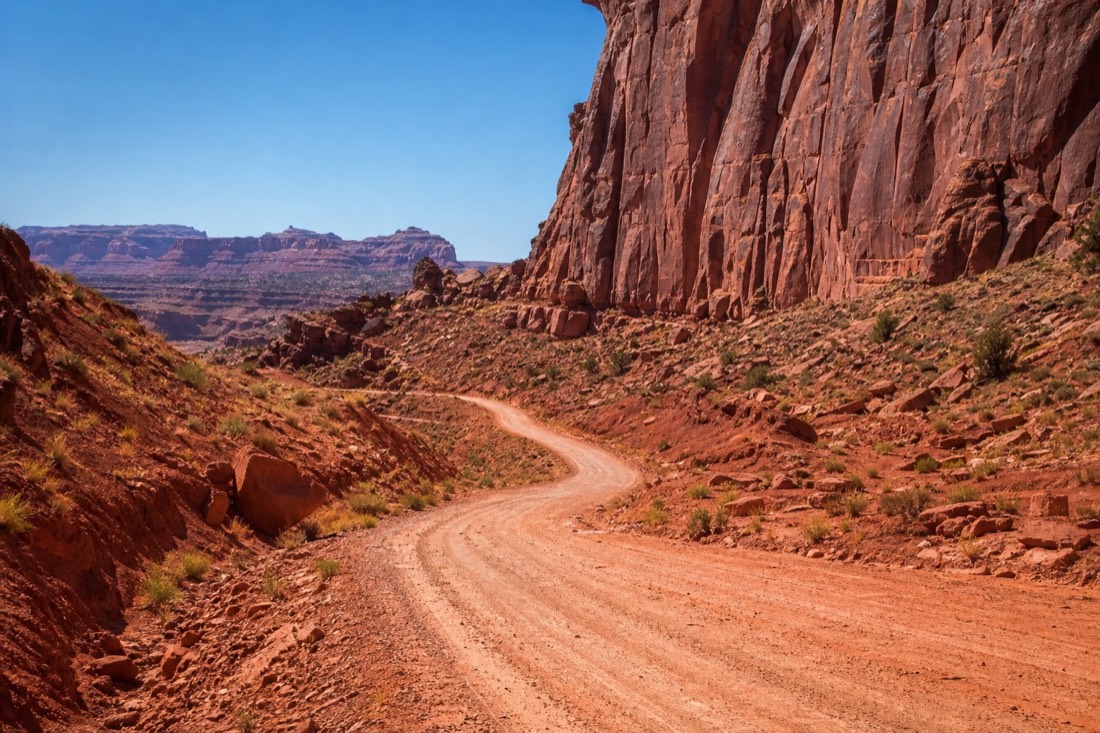
The problem with summer is not just the peak temperature, it is the exposure. The 17-mile Valley Drive is open dirt with almost no shade, and the red sand throws heat back at you. I tell summer visitors to book a sunrise or an early slot, be off the loop by late morning, then come back for the evening. That rhythm turns a hard day into a pleasant one.
Summer is also monsoon season. From roughly July into August, moisture builds through the day and breaks as sharp afternoon thunderstorms. They pass fast, but they matter for one reason covered below.
Why does the monsoon change how you plan a summer day?
Monsoon storms from July through August dump rain in short bursts that turn the dirt Valley Drive to mud and deep, rutted sand. A low car that was already struggling can get stuck. Plan your loop for the morning, watch the afternoon sky, and give the road time to drain before you commit to it.
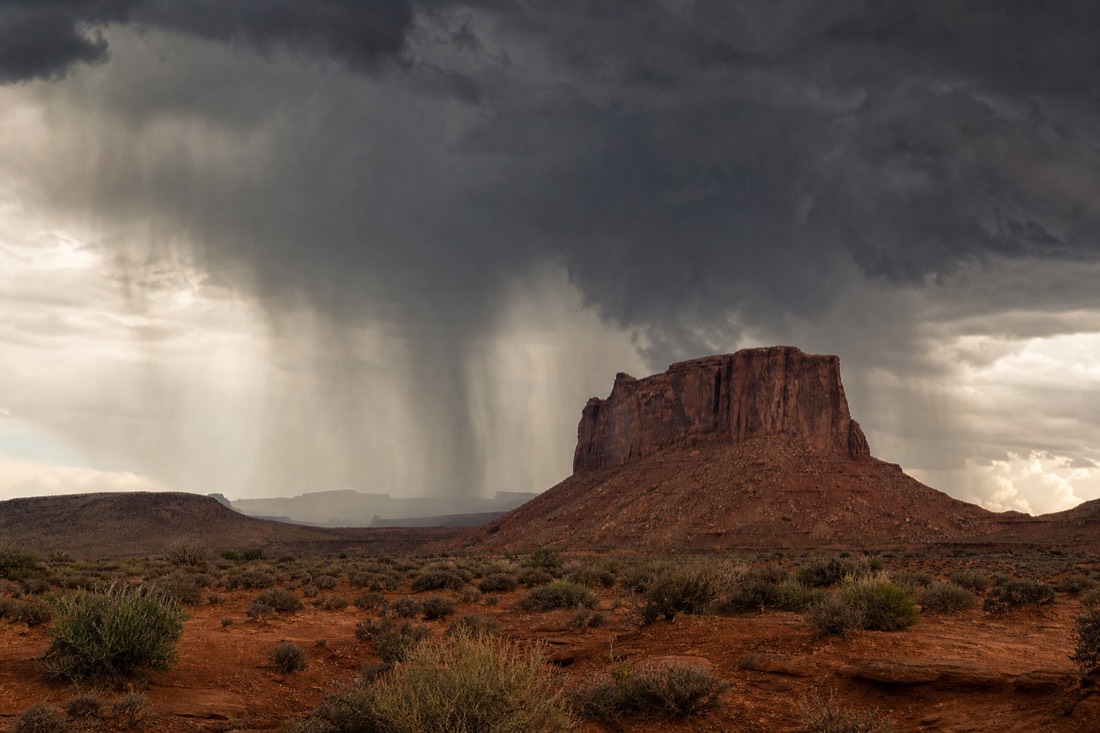
The famous 17-mile loop is washboard dirt with sections of deep sand even in dry weather. Add an afternoon downpour and the low spots hold water and slick clay. The storms are usually brief and often gorgeous, with curtains of rain and light hitting the buttes at once, but the smart move is to be on the road early and treat the afternoon as flexible. This is one more reason a guided vehicle earns its keep in late summer: the drivers know which sections drain slowly and which to avoid after rain. For the full rundown on the surface itself, see the Monument Valley scenic drive guide.
What are the park hours, and why are winter days so short?
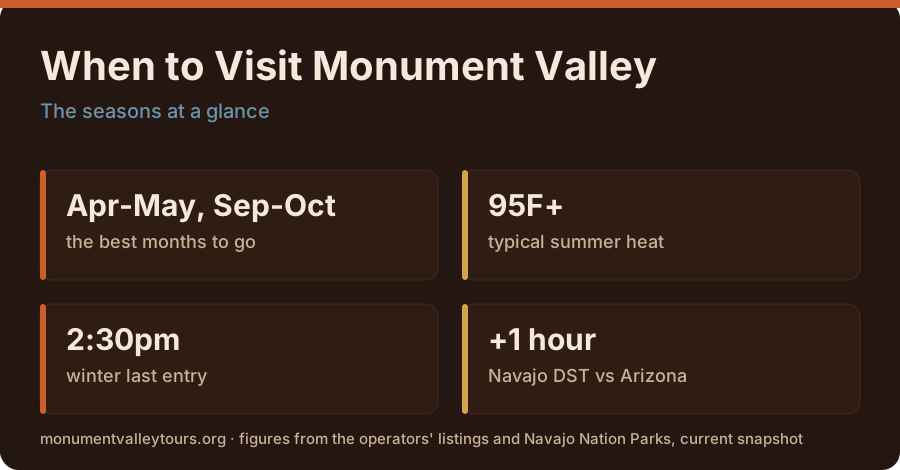
The Tribal Park runs roughly 8am to 7pm in summer (April to September) with last entry near 4:30pm, and about 8am to 5pm in winter (October to March) with last entry near 2:30pm. Winter light is beautiful but the window is tight, so arrive early and do not count on a late-day loop.
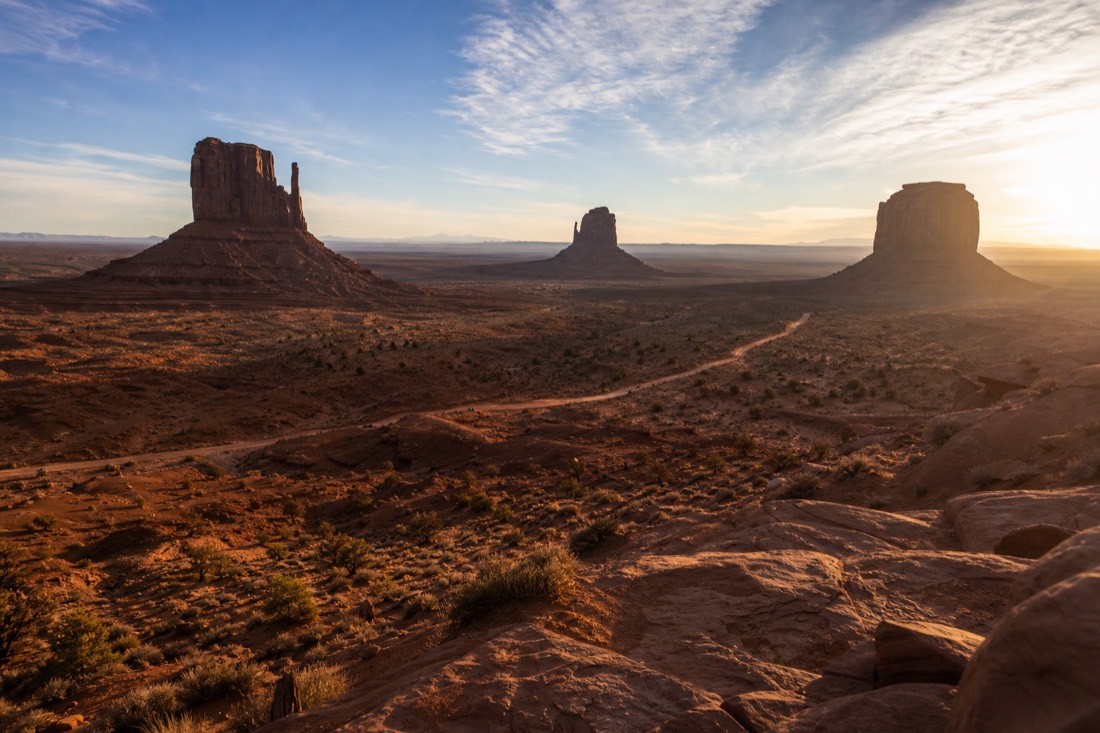
Winter is the valley's quiet secret. Crowds thin, the air is glass-clear, and a fresh snow dusting the red buttes is one of the finest sights in the Southwest. The catch is time. With the gate closing early and last entry in the early afternoon, a winter day gives you far fewer usable hours than summer, and the low sun means the best light comes and goes quickly. The park also closes on Thanksgiving, Christmas, and New Year's Day, so check the calendar before a holiday trip. Current hours and closures are posted by Navajo Nation Parks and Recreation, the official authority for the park.
What time zone is Monument Valley on?
Monument Valley sits on the Navajo Nation, which observes daylight saving time (Mountain Daylight Time in summer). Most of Arizona does not change its clocks, so in summer the valley runs one hour ahead of Phoenix and Page. A missed hour here can mean a missed sunrise tour, so double-check the local time before an early start.
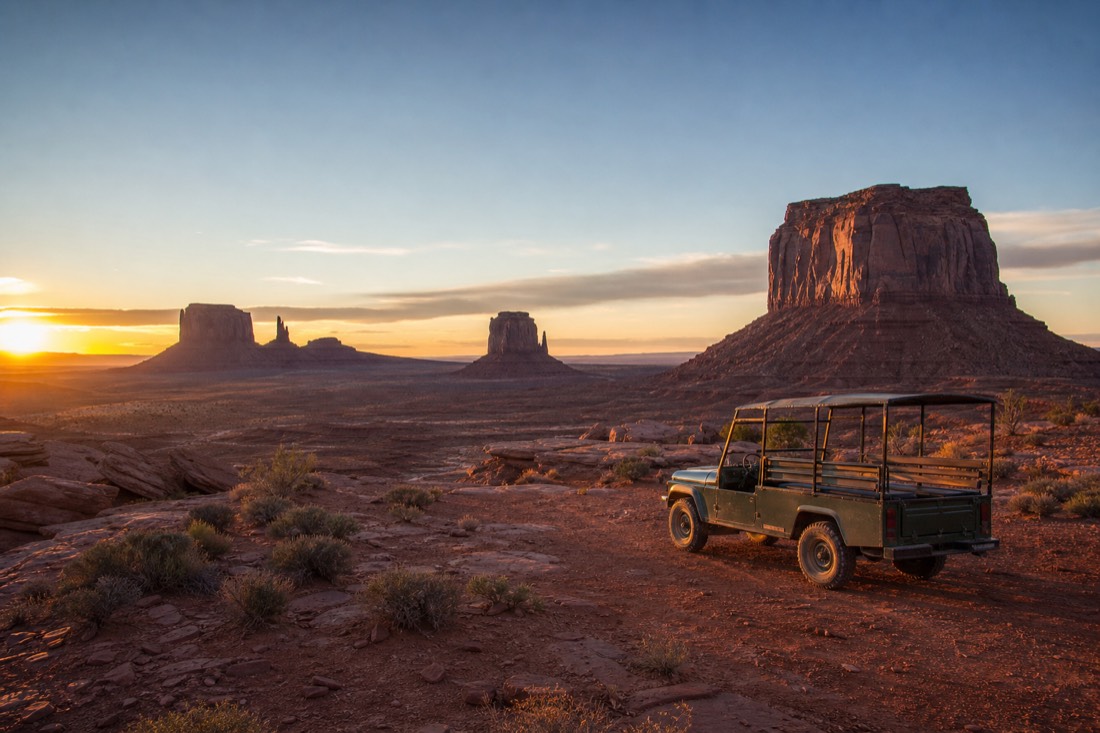
This one trips up more visitors than the heat does. You drive up from Page or fly into Phoenix, your phone may or may not update depending on signal, and suddenly your 6am sunrise pickup was actually at what your body thinks is 5am. The rule to remember: the Navajo Nation keeps daylight saving; the rest of Arizona does not. In summer, add an hour to Arizona time when you cross onto Navajo land. If you are coming for a specific sunrise versus sunset shot, set your alarm to local valley time and confirm the pickup hour with the operator the night before.
When is the best time for each thing you want?
Match the month to the goal, because they rarely line up. Photographers want the low sun of late fall and early spring. Crowd-avoiders want winter or midweek. Warm-weather visitors want June through September. Snow-chasers want December through February. Stargazers want any clear, moonless night far from town light.
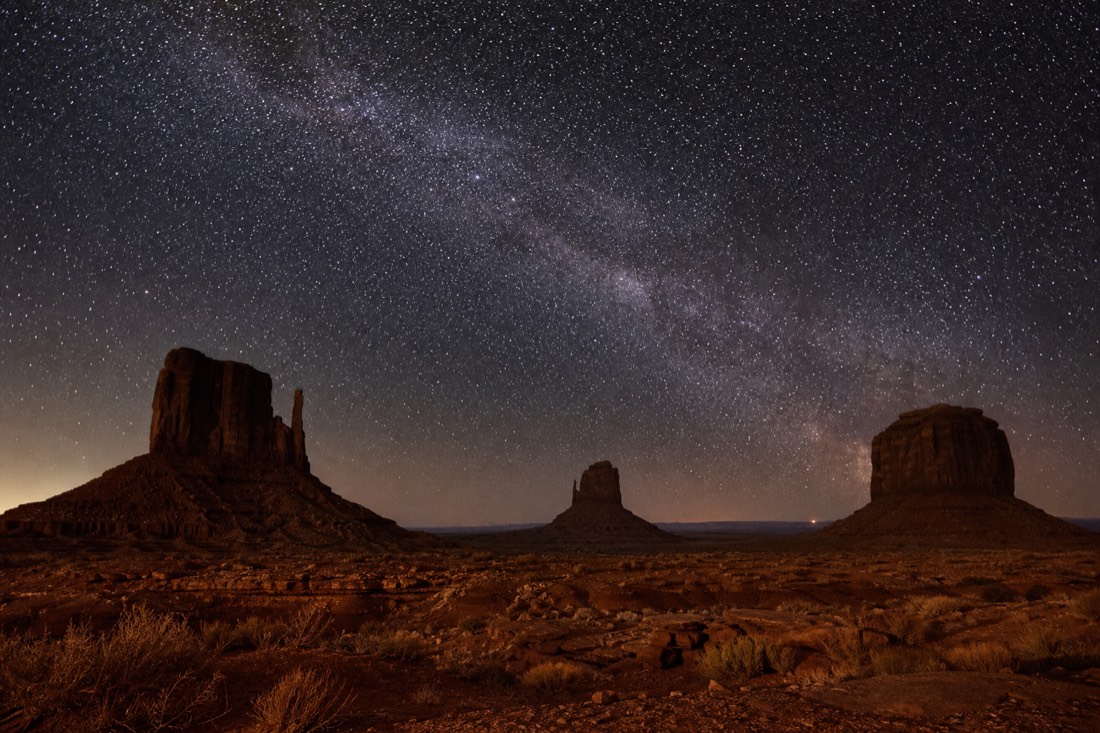
The valley does not have one best month, it has a best month for whatever you came to do, and those weeks pull in different directions. A photographer and a family chasing an easy afternoon want opposite conditions. Start with the goal, then read the calendar backward from it.
For pictures, the low sun of late October into November and again March into April rakes across the buttes and throws the long shadows that give the rock its depth. The air is usually clear and the crowds have eased. If solitude matters more than light, the deep winter months and any midweek day thin the gates right out, with the chance of snow as a bonus you cannot plan for. Warm-weather visitors belong in June through September, when evenings stay pleasant long after the midday heat, though the good hours are dawn and dusk rather than noon.
Snow is its own pursuit. It dusts the red rock only a handful of days between December and February, it melts fast, and catching it is mostly luck, but few sights in the Southwest beat it. Stargazing is the quiet reason to stay the night. This is remote country with little light pollution, so a clear, moonless night pulls a dense sky over the buttes, and the stargazing after dark is worth setting an alarm for in any season. Warm summer nights are the most comfortable for it, winter nights the clearest. Match your want to the table below, then hold it against the park hours and the clock quirk, both covered above.
| What you want | Best months | Best time of day or night | What to know |
|---|---|---|---|
| Photography | October to November, March to April | Sunrise and sunset | Low sun, long shadows, clear air |
| Fewer crowds | November to February, midweek | Early morning | Quiet gates, snow a possible bonus |
| Warm weather | June to September | Evenings | Hot midday, comfortable golden hours |
| Snow on red rock | December to February | After a storm clears | Rare, brief, unforgettable |
| Stargazing | Any clear night | After full dark, near a new moon | Remote skies, little light pollution |
What is the summer monsoon season like?
From July into August, desert moisture builds through the day and breaks as short, sharp afternoon thunderstorms. They pass fast and often light the buttes dramatically, but they soak the dirt loop, spike the humidity, and can strand a low car. Mornings stay clear; the afternoons turn unpredictable.
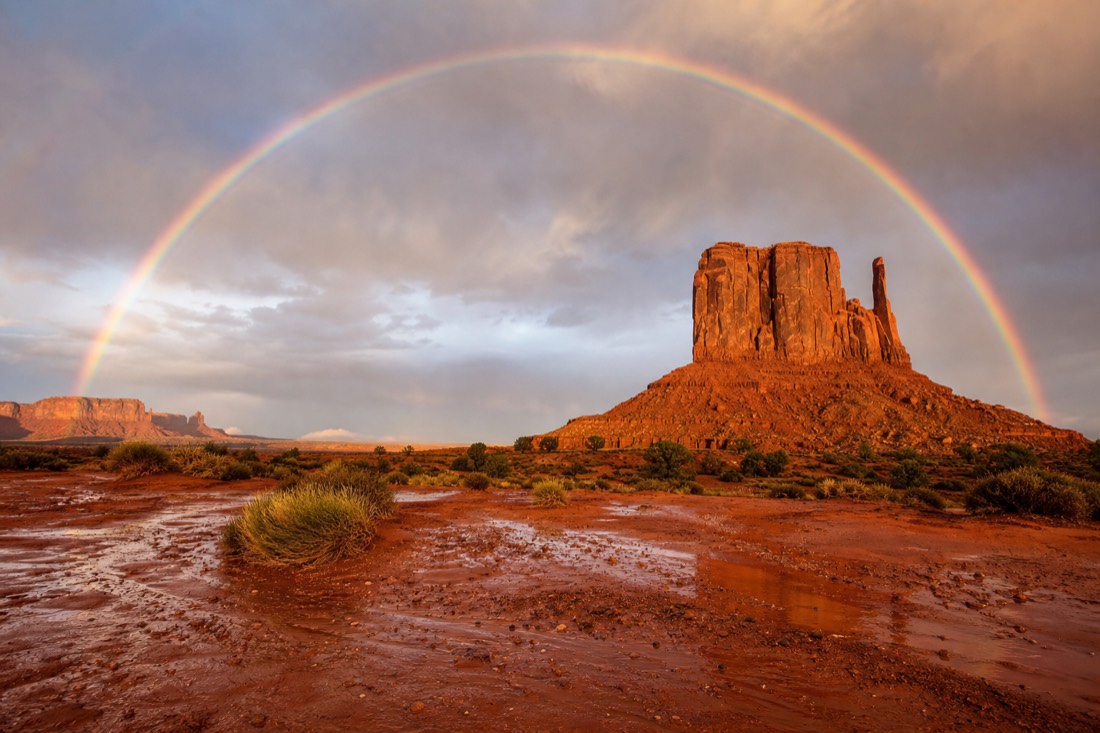
The monsoon is the most dramatic weather the valley gets, and it arrives on a schedule you can almost set a watch by. From roughly July into August, mornings dawn clear and calm, humidity climbs through the day, and by mid to late afternoon the sky stacks up and breaks. The storms are often brief, sometimes violent, and frequently beautiful, with curtains of rain dragging across the buttes while sunlight still catches the far rim.
For a visitor the season is a trade. The upside is the light. Storm skies over the valley are some of the most photographed weather in the Southwest, and a rainbow over Merrick Butte is the kind of frame people chase for years. The downside is the ground. The 17-mile loop is dirt and deep sand even when dry, and a hard afternoon shower turns the low spots to slick clay that can strand a low car until it drains. Lightning is a real hazard on the exposed high points, and the washes that look like harmless dips can run with flash-flood water fast.
The rhythm that works is the same one I give every summer group. Treat the morning as your reliable window and the afternoon as a bonus you take only if the sky allows. Drive or ride the loop early, watch the build after lunch, and give the road time before you commit to it again. This is also the season a guided vehicle earns its keep, because the drivers know the road's drainage cold. The impact table below breaks the season down aspect by aspect, so you can plan around it rather than be caught out.
| Aspect | Monsoon impact | What to do |
|---|---|---|
| Dirt Valley Drive | Mud and slick clay after rain | Drive it early, wait for it to drain |
| Photography | Dramatic storm light and rainbows | Cover your gear, shoot the breaking sky |
| Temperature | Humid, then cooler after a storm | Hydrate; heat still peaks before noon |
| Safety | Lightning and flash-flood risk | Avoid low washes and exposed high points |
| Guided tours | Usually still run, may adjust the route | Let a driver read the road and sky |
Which shoulder-season weeks are the sweet spot?
The narrow sweet spot is the back half of April into May, and again mid-September into October. You get mild days, dawns cool but not freezing, long low light, and crowds that thin on either side of the summer and holiday peaks. Travel midweek in those windows and you catch the valley close to its best.
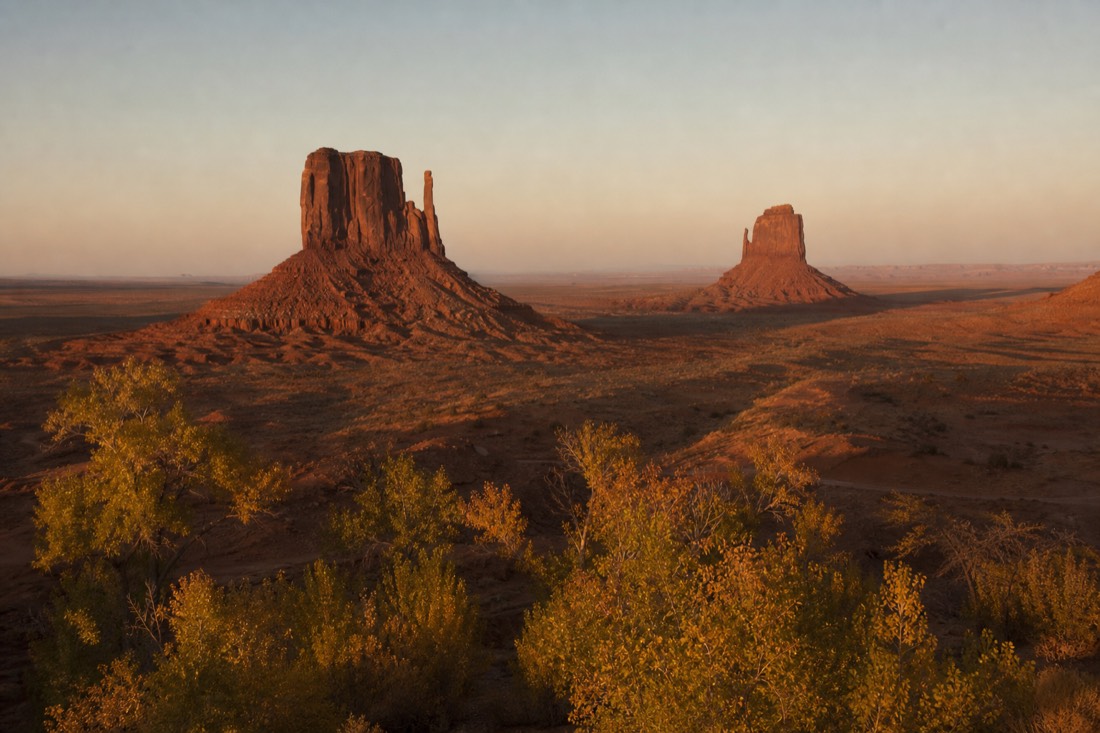
Shoulder season is a real thing here, not a marketing word, but it is narrower than most people assume. The genuine sweet spot is two short windows: the back half of April into May, and mid-September into October. Those weeks stack the things you actually want, mild afternoons, dawns cool enough for a jacket but not brutal, the low light that flatters the rock, and crowds that have not yet peaked or have just started to fade.
Push too early and you meet the March wind and dust, which are not deal-breakers but do blow grit across every overlook. Push into June and the heat arrives in earnest. On the fall side, early September still carries summer warmth and the tail of the monsoon, while late October cools the dawns toward freezing and shortens the usable day as winter hours return. The narrow band between those extremes is where the valley asks the least of you.
If your dates have any give, aim for midweek inside those windows. A Tuesday in early May or late September is a different, quieter valley than the same week's Saturday, and the overlooks that clog on weekends open right up. That timing pairs well with a scenic run when the light is soft and the road is dry, and you can read the surface itself in the scenic drive guide before you go. The month sweet-spot table below rates each shoulder window on the things that decide a day, so you can find the narrow best inside the merely good.
| Window | Days | Dawns | Crowds | Verdict |
|---|---|---|---|---|
| Early April | Cool, breezy | Cold, jacket needed | Building | Good, still quiet |
| Late April to May | Mild, pleasant | Cool | Busy | Prime, book ahead |
| June | Heat setting in | Mild | Busy | Window fading |
| Early September | Warm, easing | Mild | Busy | Prime returns |
| Late September to October | Mild, crisp | Cool to cold | Moderate | Best all-round |
| November | Cool to cold | Cold | Quiet | Shoulder edge, short hours |
Which month is best for photography, fewer crowds, or a sunrise?
It depends on your goal. For the strongest light and long shadows, aim for late fall or early spring. For solitude, go in winter or midweek in the shoulder months. For a comfortable sunrise, the spring and fall mornings are mild and reliable, while summer sunrises are the coolest good hours of a hot day.
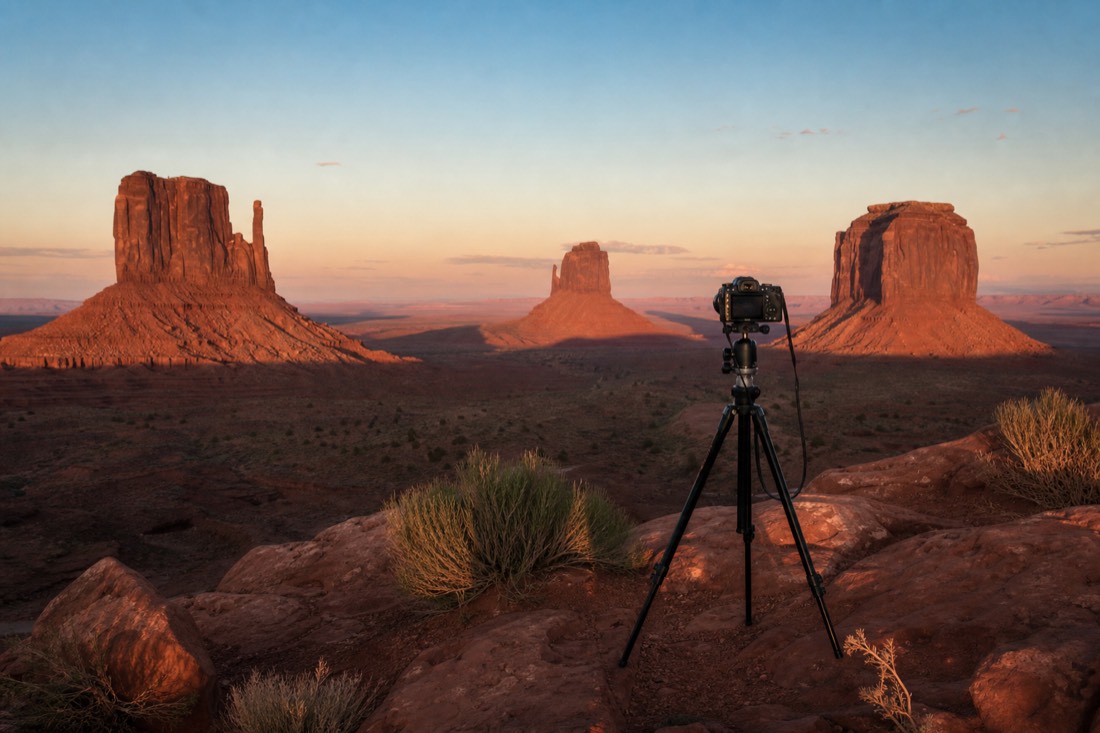
Different trips want different months. A photographer chasing texture and shadow is not looking for the same week as a family that wants an easy, uncrowded afternoon. Use the table below to match the month to what you actually care about, then read the daily plan around park hours and the clock quirk above.
| Your goal | Best window | Why |
|---|---|---|
| Dramatic light & shadows | October to November, March to April | Low sun angle, clear air, long shadows on the buttes |
| Fewer crowds | November to February, midweek | Quiet gates, easy overlooks, snow a bonus |
| Comfortable sunrise | April to May, September to October | Mild mornings, reliable clear skies |
| Snow on red rock | December to February | Rare, brief, and unforgettable when it lands |
| Avoiding storms | Late September to June | Outside the July to August monsoon window |
And the seasons side by side, so you can weigh the trade before you book.
| Season | Best for | Watch out for |
|---|---|---|
| Spring (Apr-May) | Mild days, long light, green desert accents | Wind and dust, building crowds |
| Summer (Jun-Aug) | Long hours, warm evenings | Intense heat, afternoon monsoon storms |
| Fall (Sep-Oct) | Best all-round light and comfort | Cooler nights, crowds until October |
| Winter (Nov-Mar) | Solitude, clear air, possible snow | Short hours, cold dawns, holiday closures |
If you are still shaping the trip, the next question is almost always how long to stay and where to sleep. Start with how many days you need, then browse every planning piece on the Monument Valley guides hub before you lock dates.
Make room in your itinerary
Sunrise or sunset photography tour
Have a travel date in mind? Check this option before arranging the rest of your trip. Visit the Totem Pole, Sun’s Eye and John Ford Point in the day’s changing light.
Editorial starting point; use the choices below to check the fit.
Compare options and tailor your choice
3 hours, English guide, water and native music. Select sunrise OR sunset for your month on Viator. Park entry extra. Uneven surfaces; unsuitable for back conditions. Children need two paying adults.
Meet at The View Hotel loading area, 50 yards west, 15 minutes early; return there. Confirm with the operator 24 hours ahead.
A Navajo guide connects the Mittens, restricted arches and local stories. Shared tour, English guide, about 3 hours. Park entry and tips extra. Minimum two to operate; solo travelers must arrange pairing with the operator.
Look beyond the daytime landscape with Navajo star stories and a guided night outing. 2.5 hours, English guide and water. Park entry extra. Stargazing depends on weather. Telescope not promised on this Viator option. Not recommended for pregnancy, spinal or serious heart conditions.
Ride to Big Hogan, Sun’s Eye and the Totem Pole with a Navajo guide. Shared 2.5-hour tour, English. Park entry and tips extra. Hogan visit and weaving excluded. Not recommended for pregnancy, back/spinal or serious heart conditions.
Select a date to see the Viator departure schedule.
Schedule only. Final availability, options and price are confirmed on Viator.Affiliate links: we may earn a commission at no extra cost to you. Product facts checked September 15, 2026.